

Tulare County Homeowners Pivot to ‘Fix-to-Stay’ Loans as Inventory Hits 10-Year Low

Your trusted partner for construction, ADU, and residential financing in the Central Valley since 2006.
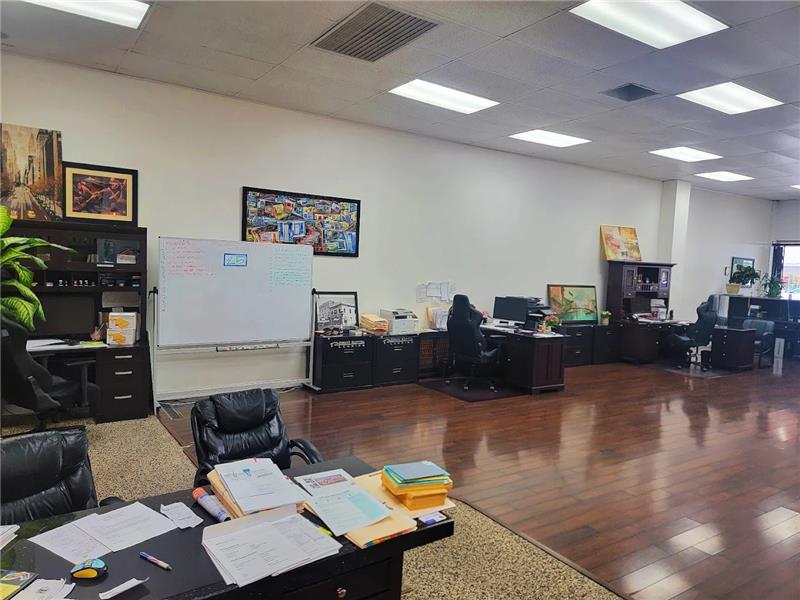
From our central hub in Porterville, our team provides the specialized construction and ADU financing that Central Valley families need to reinvest in their homes.
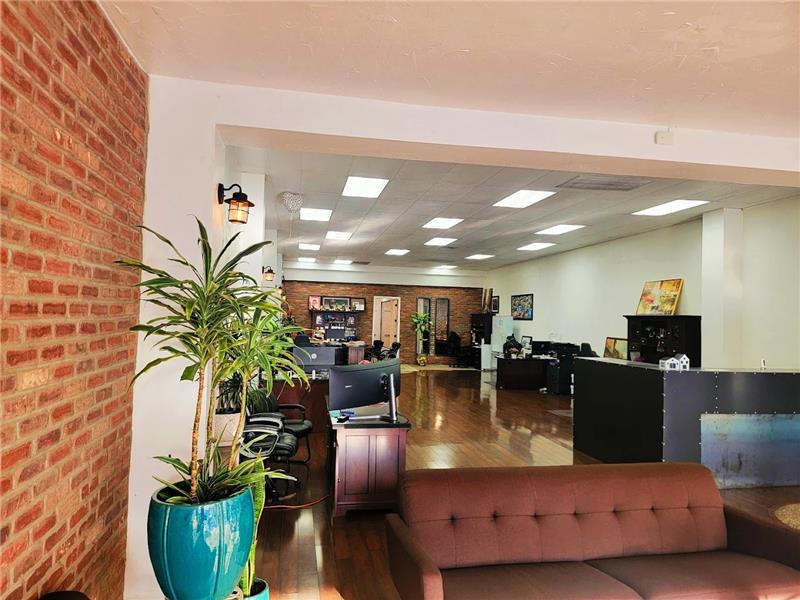
Our Porterville headquarters provides a modern, collaborative space where we manage high-impact "Construction-to-Perm" and ADU financing projects.
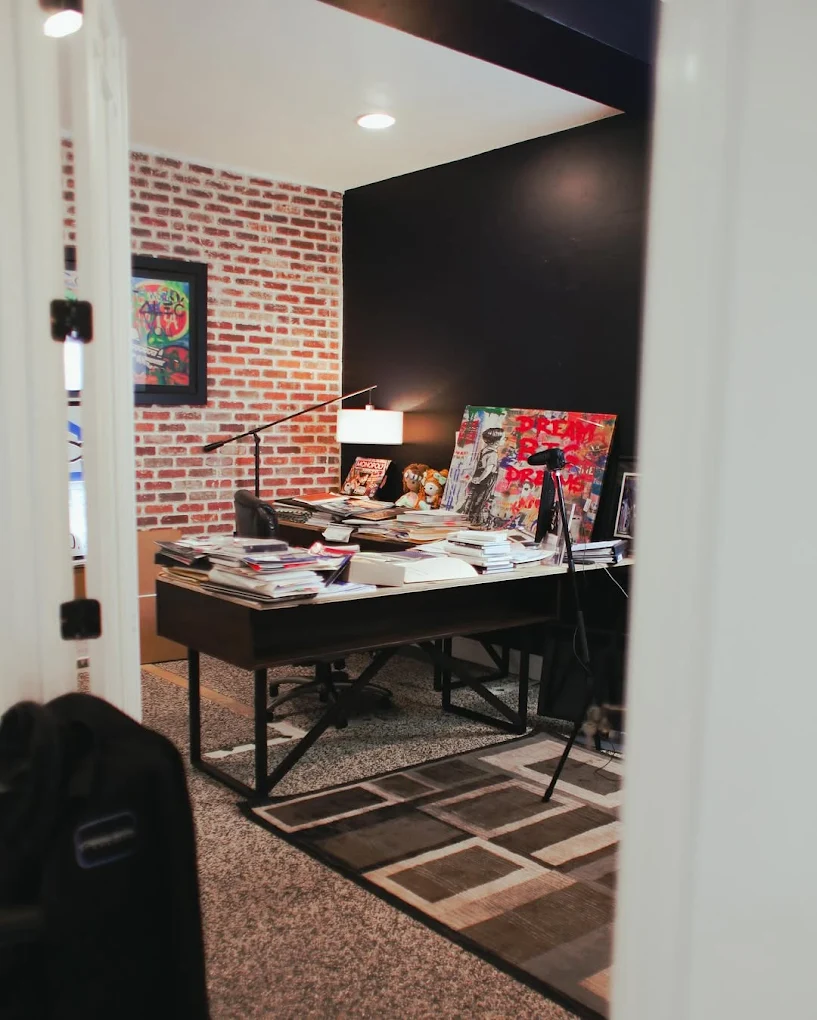
Where Central Valley reinvestment begins—crafting specialized ADU and construction completion strategies for our local community.
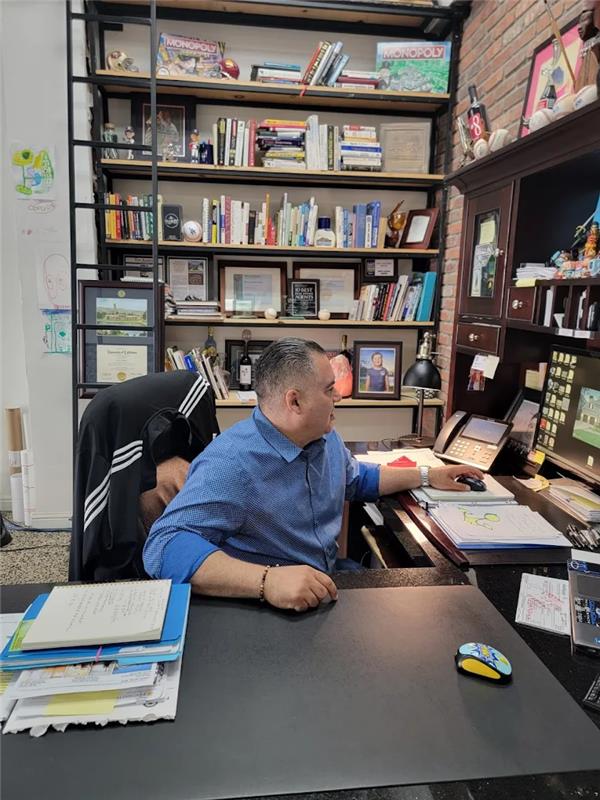
Aldo Gutierrez, President of Direct Capital Lending, leverages over two decades of expertise to help Central Valley families navigate "Fix-to-Stay" financing.
Tulare County homeowners are abandoning moves for "Fix-to-Stay" loans, using equity to remodel as high rates and low inventory freeze the local market.
PORTERVILLE, CA, UNITED STATES, April 13, 2026 /EINPresswire.com/ -- A systemic "lock-in" effect is fundamentally altering the residential real estate landscape across California’s Central Valley. As existing home listings hover at a ten-year low, homeowners in Tulare, Kern, and Kings counties are increasingly abandoning the traditional "move-up" buyer journey in favor of a "Fix-to-Stay" economic model. This shift is being driven by a historic disparity between current market mortgage rates and the low fixed rates secured by homeowners over the last decade, effectively freezing the inventory of move-in-ready homes.
According to recent market analysis, this inventory stagnation has birthed a new trend in regional finance: a surge in "Construction-to-Perm" and "Construction Completion" financing. Residents in cities ranging from Porterville and Visalia to Delano and Bakersfield are no longer braving a hyper-competitive and undersupplied buying market. Instead, they are leveraging record levels of tappable home equity to transform their current residences through major remodels and the addition of Accessory Dwelling Units (ADUs).
The Macroeconomic Freeze: Why Tulare County Homeowners Aren't Selling
The current "Inventory Lock-In" is a result of a complex interplay between national monetary policy and local geographical constraints. In the San Joaquin Valley—often referred to as the "Mecca of Farming"—the scarcity of new housing starts has exacerbated the pressure on existing inventory. Homeowners who might typically list their homes to upgrade are finding that the cost of debt for a new purchase far outweighs the benefits of relocation.
Data from major industry benchmarks, including CoreLogic and the National Association of Realtors (NAR), indicates that while home price appreciation has slowed, the lack of available listings continues to put a floor under valuations. For many families in the Central Valley, the most logical financial move is no longer to sell, but to reinvest. This has led to a significant increase in the utilization of cash-out refinances and specialized construction loans intended to bridge the gap between a family’s current space and their long-term housing needs.
The Rise of the "Fix-to-Stay" Economy
As the "Fix-to-Stay" economy takes hold, the demand for specialized mortgage products has shifted. Traditional 30-year fixed purchase loans are being supplemented by a rise in construction-based financial instruments. This is particularly evident in the growing interest in ADU financing, which allows homeowners to build secondary units for multi-generational living or rental income—a crucial solution in a region with diverse household structures and a high Latino population.
These "Construction-to-Perm" loans provide a dual-phase financing solution, covering the costs of the build before transitioning into a permanent mortgage. This model is becoming the primary vehicle for housing expansion in land-rich but inventory-poor areas like Porterville and Tulare.
Expert Analysis: Interpreting the Shift
Industry veterans who have navigated multiple economic cycles note that the current market is structurally different from previous downturns. Unlike the 2008 Mortgage Recession, which was defined by a surplus of distressed inventory, the 2026 market is defined by a lack of mobility.
"We are seeing a marked increase in requests for major remodel and construction completion financing," states Aldo Gutierrez, President, Owner, and CFO of Direct Capital Lending. "When inventory is this tight, the most viable path to a 'new' home for many families in Tulare and Kings County is to build it on the land they already own".
Gutierrez, who brings 26 years of industry experience to the analysis, suggests that the market is moving toward a more specialized, technology-driven model. "The industry has evolved significantly since we founded this company in 2006," Gutierrez continues. "In the early 2000s, the competition was relentless and often driven by speculation. Today, the focus is on dignity, honor, and helping clients weather economic storms by utilizing their existing assets more effectively".
Local Impacts and ADU Development
The impact of this trend is most visible in the localized surge of ADU projects. In the Central Valley, ADUs serve as a vital tool for families supporting multiple generations under one roof. By utilizing specialized financing, homeowners are able to add square footage that serves as both a lifestyle improvement and a significant increase in property value.
Direct Capital Lending reports that "Construction Completion" loans have become particularly popular for projects that may have stalled due to initial underfunding or shifting material costs. Case studies from the region show that borrowers are successfully transitioning from low-FICO positions to funded construction projects in as little as 21 to 45 days, highlighting a renewed efficiency in local private lending.
Looking Ahead: The Future of Central Valley Real Estate
As the "Inventory Lock-In" persists, the role of the specialized mortgage broker is becoming increasingly central to the real estate ecosystem. Firms that maintain relationships with a broad spectrum of investors—often numbering over 50—are better positioned to find the niche construction and remodel products that large, national banks may overlook.
For the families of the San Joaquin Valley, the message is clear: the dream of a "new" home is not dead, but it may require looking in the backyard rather than on the MLS. As long as interest rate disparities remain and inventory levels stay near historic lows, the "Fix-to-Stay" trend will likely remain the dominant force in Central California’s housing market.
About Direct Capital Lending
Founded on June 21, 2006, Direct Capital Lending is a premier mortgage brokerage and real estate investment firm headquartered in Porterville, California. With over 26 years of experience in the mortgage industry, the firm specializes in home loans, construction financing, and ADU development, serving a diverse clientele across Tulare, Kern, and Fresno counties. Direct Capital Lending is a member of the California Association of Mortgage Brokerage and the National Association of Mortgage Brokerage, and is recognized for its resilience and commitment to servicing the Mexican-American and Spanish-speaking communities with dignity and respect.
Luis Chavez
Chavez Web Design, LLC
email us here
Visit us on social media:
LinkedIn
Instagram
Facebook
Legal Disclaimer:
EIN Presswire provides this news content "as is" without warranty of any kind. We do not accept any responsibility or liability for the accuracy, content, images, videos, licenses, completeness, legality, or reliability of the information contained in this article. If you have any complaints or copyright issues related to this article, kindly contact the author above.
